RESEARCH ACTIVITIES IN SHEEP FARMING
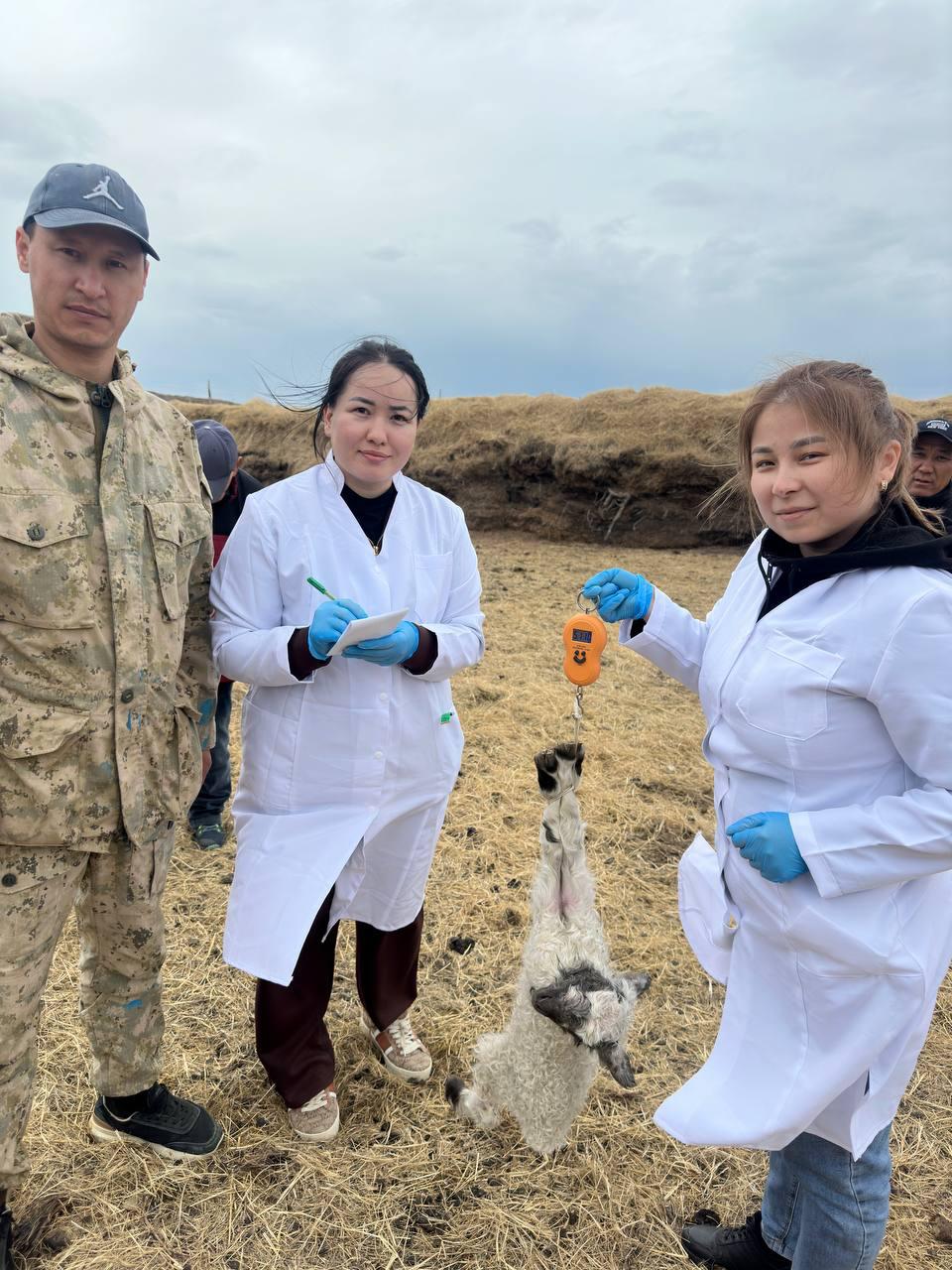
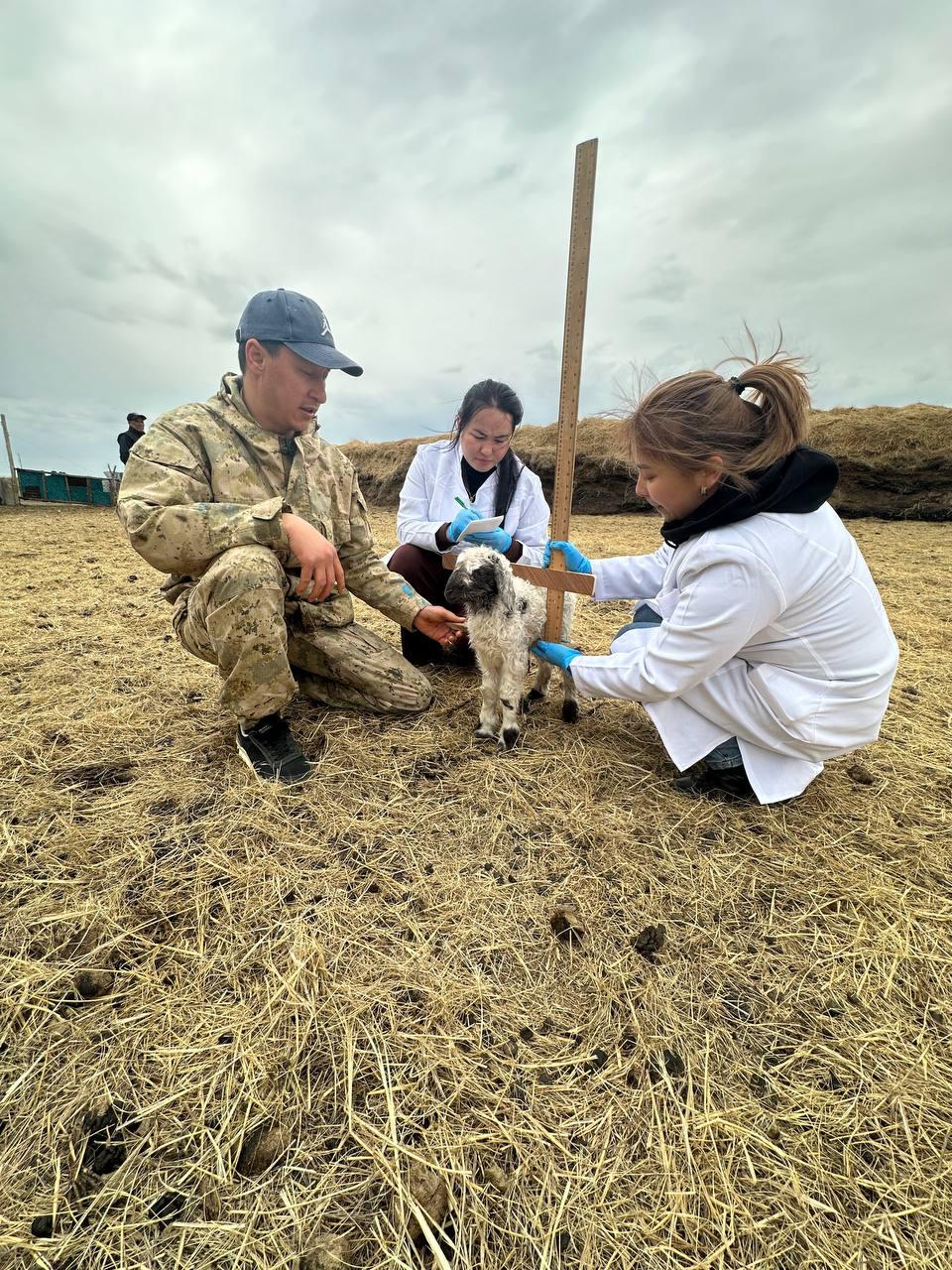
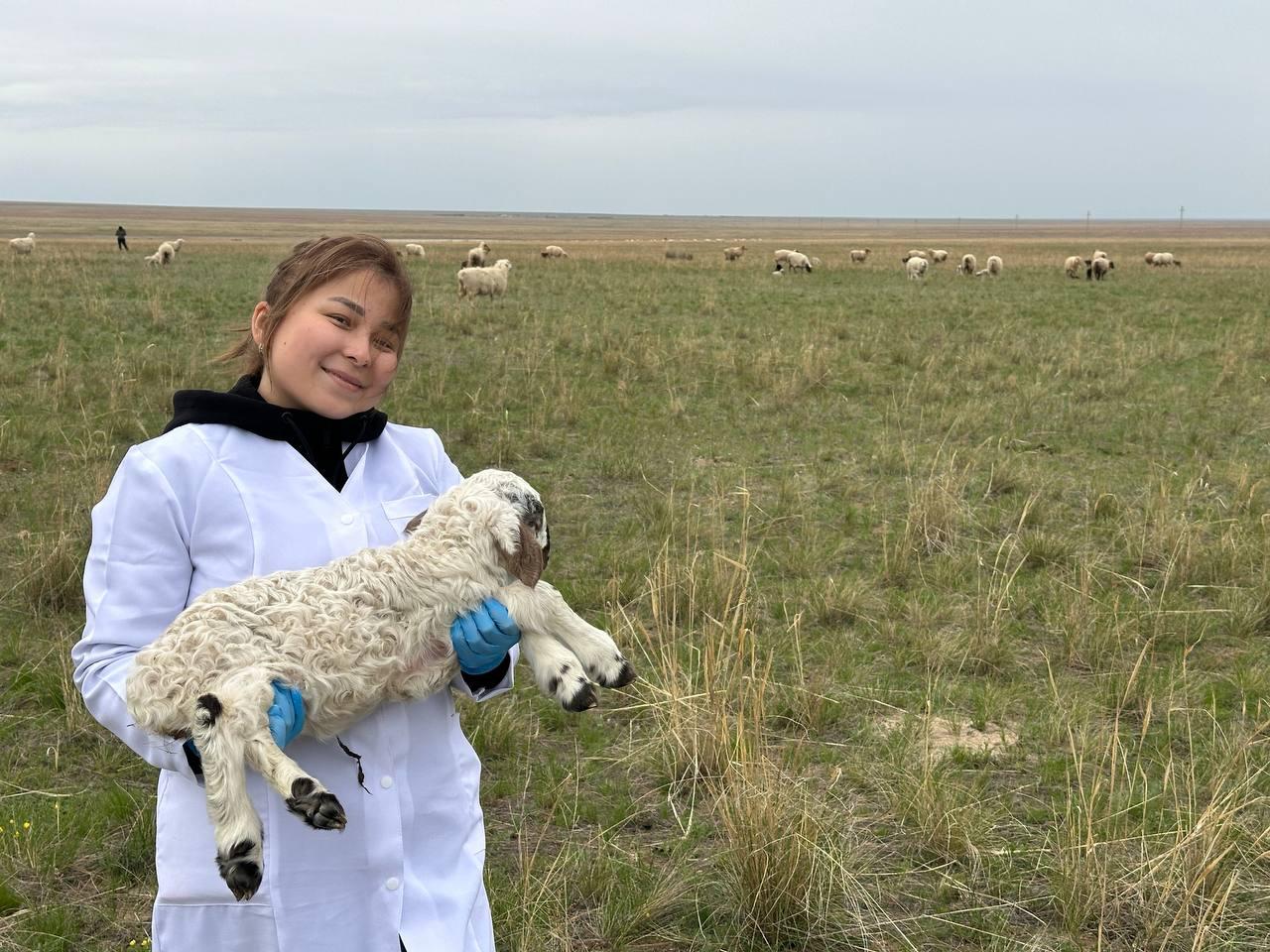
From April 14 to 21, 2026, scientific research was conducted at a farm in the Aktobe region. The work was carried out by Roza Aibergenovna Shynzhyrbay, Master of Science and lecturer at Kyzylorda Open University, and Akbota Garifollaevna Dukenbayeva, lecturer at Kyzylorda Higher Multidisciplinary College.
The study focused on both scientific and field-based practical work aimed at adapting pedigree sheep to the climatic conditions of the Kyzylorda region. The main objective was to preserve their genetic potential while enabling their physiological systems to adjust to a new environment, thereby stabilizing productivity and viability. The research was based on comprehensive biological and zootechnical approaches.
The following activities were carried out:
- blood and biochemical analyses,
- productivity dynamics assessment, including:
- changes in live weight (monthly measurements),
- average daily weight gain,
- wool productivity (shearing yield and fiber quality),
- reproductive indicators (offspring yield and lamb survival rates).
The findings indicate that adaptation of pedigree sheep to new environmental conditions is most effective when implemented gradually. At the initial stage, it is essential to create favorable microclimatic conditions and ensure access to sufficient water and high-quality feed, which supports a stable adaptation period. Gradual changes in the feeding regimen help sheep adjust more quickly to local pasture vegetation. In addition, the use of mineral supplements improves the overall physiological condition of the animals. Timely veterinary measures help prevent diseases and reduce livestock losses.
The research shows that when the adaptation process is properly managed, key productivity indicators (meat and wool quality) are maintained, and in some cases, even improved.
The relocation of pedigree sheep from the Aktobe region to the Kyzylorda region requires a comprehensive approach to adaptation. The results confirm that scientifically grounded management of this process not only preserves animal health but also enhances the economic efficiency of farming operations.